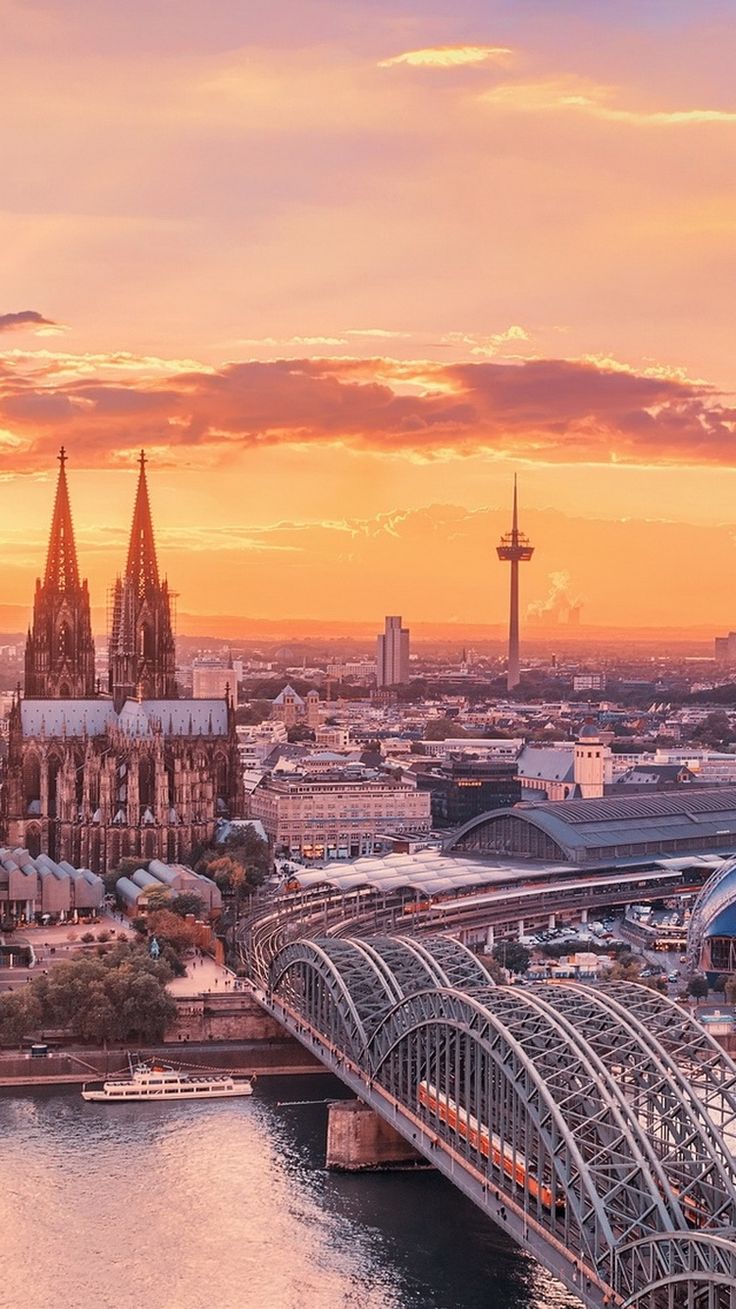
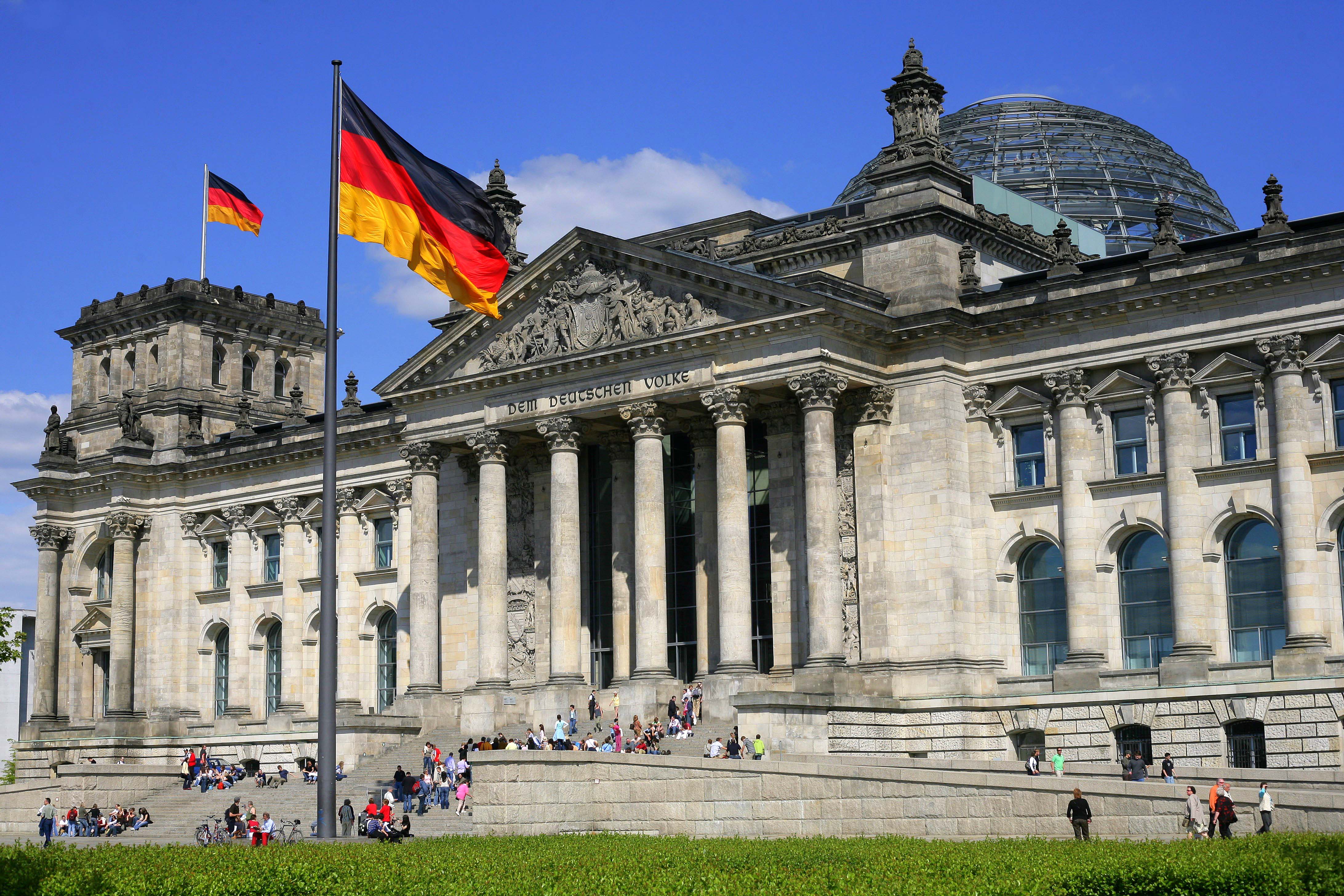
Germany is known worldwide as a leader in engineering, technology and applied sciences as well as education based on research. Germany is an ideal choice for students who want to study at an affordable cost ARZOO offers expert Germany counselling, including technical documentation and procedural advice.
The education system in Germany emphasizes precision, analytical thinking and problem-solving, fostering theoretical learning as well as hands-on skills. The universities provide independent learning and learning by problem solving with frequent contact with academic mentors, so that students can develop technical, research, and professional skills. Attending an academic institution that fosters a disciplined learning environment that embraces innovation, collaboration, and continuous improvement equips students to make a significant impact in the industries and new technologies of the world. By combining these strengths, graduates are well equipped to compete in today's globalized environment as competent professionals.

Nurses, medical technicians, and healthcare managers are sought after.
Opportunities for software developers, systems analysts, and network administrators.
Roles like plumbers, electricians, and HVAC technicians are in demand.
Electrical, mechanical, civil, and aerospace engineering careers.
Shortage of cybersecurity experts to protect digital infrastructure.
Business intelligence, data analysis, and visualisation roles.
Wind and solar energy engineers and sustainability experts.
CNC operators, welders, and industrial technicians in demand.
Opportunities in AI, machine learning, deep learning, automation and intelligent systems are exploding globally.
Demand for business management, project management, finance, marketing and international business professionals is high.
Careers in the supply chain, procurement, global logistics, and warehousing are still growing.
Demand for hotels, resorts, tourism workers, event management workers, and customer service professionals are in demand throughout Europe.
SEO, Social Media Marketing, Content Marketing, Performance Marketing.
Financial analysis, Auditing, Taxation, Investment and Fintech.
Pharmaceutical research, Biotechnology and laboratory sciences.
Industrial automation, Robotics, Mechatronics, Smart manufacturing.
Tuition Fees : Most public universities in Germany offer tuition-free education. However, some programs and private institutions may charge tuition fees. Below is an approximate annual cost range.
| Level of study | Annual fees range in Euro ( Approx.) | |
|---|---|---|
| Master’s Degree | €100 to 400 (public universities) per semester €10,000 to €20,000 per year In (Private Universities ) | |
| Bachelor’s Degree | Public universities in Germany charge low or nominal fees €10,000 to €15,000 per year In (Private Universities ) | |
| Studienkolleg Program | Public universities in Germany charge low or nominal fees | |
| However, candidates must check the official website of the university they want to take the admission to know the exact figure of fees and other edibility criteria. |